

The fascinating journey of gambling through history a comprehensive exploration
Origins of Gambling in Ancient Civilizations
The roots of gambling can be traced back to ancient civilizations, where it often played a significant role in culture and society. Archaeological discoveries have revealed that games of chance were popular among the Chinese as early as 2300 BC. The earliest known gambling artifacts, including dice made from animal bones, indicate that gambling was not just a pastime but an integral part of community life. Evidence from ancient Mesopotamia also shows that gambling games were widely enjoyed, often linked to religious and ceremonial practices.
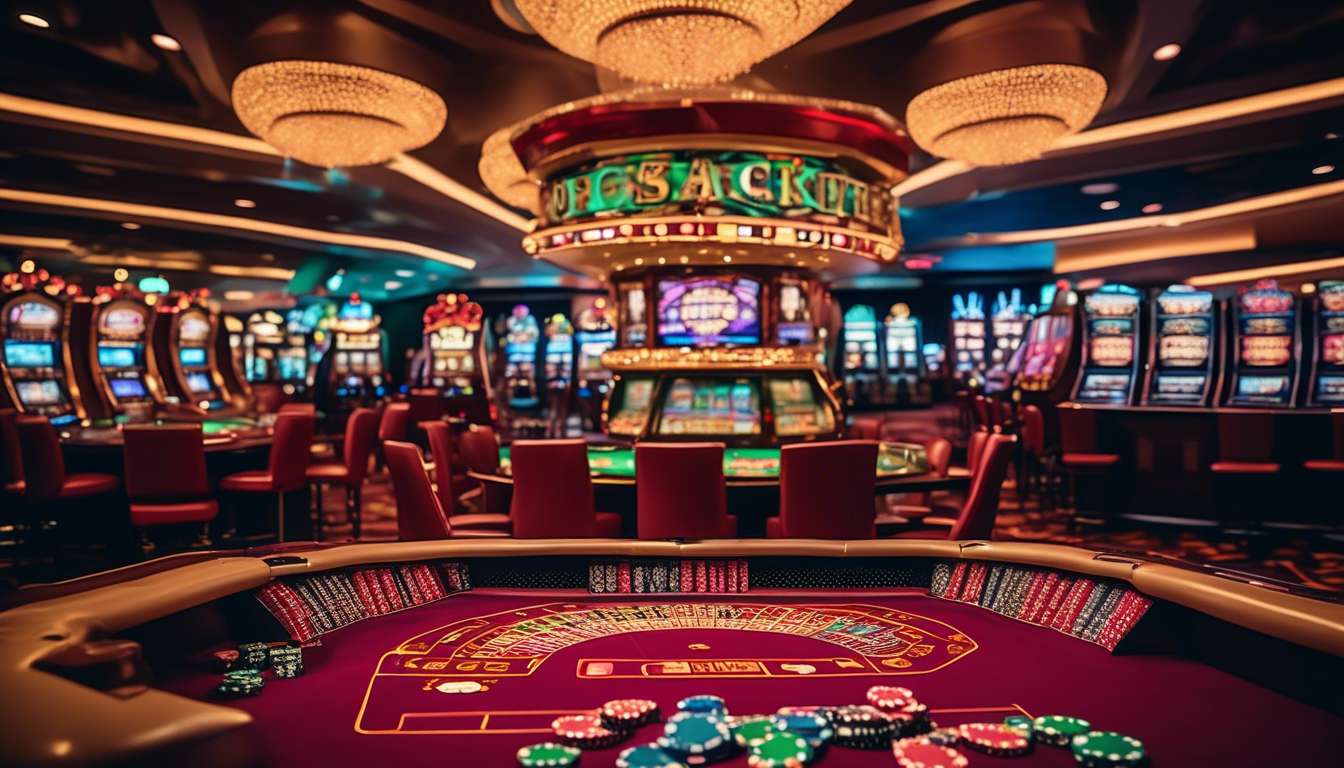
In ancient Rome, gambling flourished as a popular social activity, often associated with various forms of entertainment, including gladiatorial games and chariot races. Romans indulged in betting on the outcomes of these events, a practice that was widespread enough to prompt legal regulations. Laws were enacted to restrict gambling to specific venues, reflecting both its popularity and the potential for societal issues stemming from excessive gambling. These ancient practices set the stage for gambling to evolve as a regulated industry in the centuries to come.
Furthermore, the Greeks contributed significantly to the evolution of gambling through their introduction of more structured games. The Greeks were known to enjoy board games and betting on sporting events, reflecting a cultural acceptance of chance-based activities. The popularization of these games not only fostered a sense of community but also paved the way for more sophisticated gambling practices, highlighting that gambling was not merely a game of chance but a complex interplay of skill, luck, and strategy.
The Evolution of Gambling in the Middle Ages
The Middle Ages marked a transformative period for gambling, characterized by a mixture of prohibition and acceptance. During this era, gambling was often viewed with suspicion, leading to various bans across Europe. The Catholic Church particularly condemned gambling, associating it with moral decay and societal problems. However, despite these restrictions, the demand for games of chance persisted. People turned to private games and underground venues, illustrating the resilience of gambling culture.
Interestingly, the late Middle Ages witnessed a resurgence of gambling, particularly in the form of card games. The introduction of playing cards from the Islamic world into Europe sparked a new wave of enthusiasm for gambling. These games became popular not only among the nobility but also among the general populace, leading to the establishment of gambling houses. The blending of card games with traditional betting practices contributed to a more organized approach to gambling, setting the stage for future developments in the industry.
This period also saw the emergence of lotteries as a means of raising funds for public projects, a practice that began in the 15th century in cities like Florence and Genoa. Lotteries offered a legal avenue for gambling that was embraced by governments, showcasing a shift in perception towards gambling as a source of public revenue rather than solely a vice. This evolving landscape highlighted the adaptability of gambling throughout history and its growing acceptance in society.
The Rise of Modern Gambling in the 19th Century
The 19th century was a watershed moment for gambling, particularly with the rise of casinos and regulated gambling establishments. The establishment of the first casino in Venice in 1638 laid the groundwork for a new era in gaming, but it was during the 19th century that gambling truly blossomed. The introduction of roulette and the establishment of gambling laws in various regions formalized the industry, offering a structured environment for players. The idea of a casino as a place for entertainment and socialization became firmly rooted in society.
The expansion of railroads and increased travel opportunities also played a crucial role in the growth of gambling. As people were able to travel to places like Monte Carlo and Las Vegas, casinos became synonymous with luxury and glamour. These destinations attracted high-stakes gamblers and affluent patrons, transforming gambling into a lavish experience. The allure of casinos as entertainment hubs created a thriving economy around gaming, demonstrating gambling’s evolution from an underground activity to a mainstream form of entertainment.
Moreover, technological advancements during this era, such as the invention of the slot machine in the late 1800s, revolutionized gambling. The slot machine provided a new level of excitement and accessibility, allowing players to engage in gambling without needing extensive knowledge of card games. This democratization of gambling expanded its reach, drawing in a wider audience and solidifying its place in popular culture. The 19th century thus marks a pivotal point in gambling history, as it transitioned from a socially restricted activity to a central part of entertainment and leisure.
Gambling in the 20th Century: Regulation and Innovation
The 20th century brought significant changes to gambling, particularly through regulation and the advent of new technologies. Following the Great Depression, many regions faced economic challenges, prompting governments to reconsider their stance on gambling. The legalization of casinos in Nevada in 1931 marked a turning point, as it allowed states to generate revenue through regulated gambling. This shift prompted a wave of casino developments across the United States, leading to the expansion of gambling industries in various states.
The introduction of the internet in the late 20th century marked another revolution for the gambling industry. Online casinos began to emerge, offering players the convenience of gambling from their homes. This innovation changed the landscape of gambling entirely, allowing for a broader reach and a wider variety of games. Players could now engage in high-stakes poker games or spin the slots without stepping into a physical casino. The rise of online gambling has led to a flourishing industry, with millions of players accessing diverse gaming options.
However, the rapid expansion of online gambling also raised concerns about regulation, addiction, and fairness. Governments worldwide grappled with how to manage this new form of gambling effectively. Some regions established strict regulations, while others struggled to keep up with the evolving landscape. This ongoing debate reflects the complexities of gambling as it continues to adapt to technological advancements and changing societal norms, underscoring the importance of responsible gambling practices in the modern era.
The Future of Gambling: Trends and Technologies
As we move into the 21st century, the gambling industry is witnessing rapid advancements that are shaping its future. One notable trend is the integration of virtual and augmented reality into gambling experiences. These technologies aim to provide players with immersive environments that mimic the excitement of a physical casino. As virtual reality technology advances, it is likely that players will soon have the opportunity to enjoy realistic gaming experiences from the comfort of their homes.
Another significant trend is the rise of cryptocurrency in online gambling. Cryptocurrencies offer players increased anonymity and security, catering to a new generation of tech-savvy gamblers. Many online platforms are now accepting cryptocurrencies as payment, reflecting the industry’s adaptability to emerging financial technologies. This shift towards digital currencies is likely to enhance the convenience and accessibility of gambling, appealing to a broader audience.
Moreover, the increased focus on responsible gaming is shaping the future of gambling. Operators are implementing measures to promote safe gambling practices, such as self-exclusion programs and responsible gambling resources. With growing awareness of gambling addiction and its consequences, the industry is taking proactive steps to ensure player protection. This commitment to responsible gaming will likely be essential as gambling continues to evolve, striving to balance entertainment with societal responsibility.

Bilucky Casino: A Modern Take on Gambling
Bilucky Casino exemplifies the evolution of gambling in the digital age, offering an extensive online gaming experience tailored for players. With over 6,500 games, including slots, live dealers, and table games, Bilucky Casino showcases a diverse range of options for both casual and high-stakes players. The platform’s collaboration with top providers ensures that players have access to high-quality games that meet modern standards, making Bilucky Casino a popular choice among gamers.
New users at Bilucky Casino can take advantage of a generous welcome package, which includes enticing bonuses and free spins. This promotional offer reflects the competitive nature of the online gambling industry, as operators strive to attract and retain players in an increasingly saturated market. The site’s flexible payment options, including support for cryptocurrency, illustrate its commitment to providing a user-friendly and accessible gaming environment.
However, potential users should be aware of the absence of UKGC licensing, which could impact player protection. As the gambling landscape continues to evolve, platforms like Bilucky Casino play a crucial role in offering exciting gaming opportunities while navigating the complexities of regulation and responsible gaming. As players explore the vibrant world of online gambling, understanding these dynamics will be essential for a safe and enjoyable experience.
